


Post Contents
Unlocking the Hidden World of Microbiology: Revealing the Secrets Behind a Microbiologist’s Paycheck in the UK!
Ever wondered what it truly means to dive into the microscopic realm? Curiosity may have led you to explore the fascinating world of microbiology. From unravelling mysteries in healthcare to safeguarding our environment, microbiologists play an integral role in various industries. But let’s address that lingering question on everyone’s mind – how much do these scientific superheroes actually earn?
In this captivating blog post, we’ll unveil the salary secrets and shed light on what it takes to become a successful microbiologist in the United Kingdom. So buckle up and get ready for an eye-opening journey through this microscopic wonderland!
What Field of Microbiology Pays the Most?

When it comes to the field of microbiology, there are various specializations that one can pursue. Each specialization comes with its own set of responsibilities and salary potential. However, if you’re looking for the highest-paying field within microbiology, then look no further than medical science.
Medical scientists who specialize in microbiology have the opportunity to work on groundbreaking research and development projects related to healthcare and medicine. They play a crucial role in preventing, diagnosing, and controlling infections. Their work is vital in finding new ways to combat diseases and develop life-saving treatments.
Not only do medical scientists get the satisfaction of making a difference in people’s lives, but they also enjoy lucrative salaries. In the UK, medical scientists specializing in microbiology can expect to earn an average annual salary of £75,417. That’s certainly nothing to scoff at!
With their advanced knowledge and expertise in microbial sciences, medical scientists are highly sought after by organizations such as hospitals, research institutes, pharmaceutical companies, and government agencies. These positions offer not only competitive salaries but also opportunities for career advancement and personal growth.
So if you’re considering a career in microbiology and want to maximize your earning potential while making a meaningful impact on society’s health outcomes – look no further than becoming a medical scientist specializing in microbiology! The sky’s the limit when it comes to both professional fulfilment and financial rewards in this exciting field.
Is Microbiology a Good Career?
Microbiology, as a career choice, offers an array of exciting opportunities for graduates. With a degree in microbiology, you open doors to various sectors and industries. Graduates with a B.Sc. in microbiology can find employment in both public and private organizations, research institutions, and companies engaged in fields such as food production, beverages, chemicals, and related industries.
In the public sector, microbiologists contribute to healthcare systems by working in hospitals or clinical laboratories. They play crucial roles in preventing the spread of infections through their expertise in diagnosing and controlling diseases caused by microorganisms.
Private organizations also value the skills of microbiologists. Companies involved in food safety rely on microbiologists to ensure product quality and adherence to health standards. Similarly, biotechnology firms seek their knowledge to develop new products or processes.
Research institutions provide yet another avenue for aspiring microbiologists. Here they can delve deeper into scientific exploration by conducting experiments and contributing to groundbreaking discoveries that advance our understanding of microorganisms.
The versatility of a career in microbiology makes it an attractive option for individuals passionate about science and making meaningful contributions to society.
Types of Microbiologist

Microbiology, the captivating field that delves into the world of microorganisms, encompasses a wide range of specialities. From studying diseases to exploring environmental impacts, microbiologists have their hands full with endless possibilities.
- One exciting branch is medical microbiology. These experts work diligently to prevent, diagnose, and control infections within healthcare settings. They are on the front lines combating pathogens and ensuring patient safety through innovative research and development.
- In addition to medicine, microbiologists also make significant contributions to research and development. With their sharp minds and scientific acumen, they play a crucial role in discovering groundbreaking treatments and vaccines that revolutionize healthcare practices worldwide.
- But it doesn’t stop there! The expertise of microbiologists extends beyond human health; they’re also pivotal players in agriculture and food safety. By closely examining soil health, crop productivity, and livestock well-being, these professionals help ensure sustainable farming practices while safeguarding our food supply from harmful bacteria.
- Furthermore, as concerns about climate change continue to rise globally, microbiologists are at the forefront of understanding its impact on our environment. Their research helps shed light on how microorganisms interact with ecosystems – whether it’s monitoring pollution levels or studying microbial diversity in various habitats.
With such diverse specializations within the realm of microbiology comes an array of opportunities for those passionate about unravelling nature’s microscopic marvels. So if you’ve ever dreamed of becoming a part of this dynamic field where science meets discovery head-on – brace yourself for an exhilarating journey ahead!
Responsibilities
Responsibilities in the field of microbiology can vary greatly depending on your area of specialization. For instance, as a clinical scientist working in microbiology, you would play a crucial role in preventing, diagnosing, and controlling the spread of infections. On the other hand, if you work in manufacturing, your responsibilities may revolve around quality control and checking for signs of contamination.
In general, regardless of your expertise, there are several key tasks that you can expect to be involved in as a microbiologist. These include monitoring and identifying microorganisms, tracking their presence in different environments, and assessing samples from various sources. You’ll also need to follow regular sampling schedules within specific settings.
To carry out these tasks effectively, you’ll utilize a range of identification methods such as molecular techniques to test samples. Additionally, part of your role may involve developing new techniques, products, and processes aimed at preventing disease transmission. This could include registering new medicines or vaccines or creating diagnostic tests and pharmaceutical products.
In clinical trial settings specifically dedicated to research and development activities related to microbial agents or treatments thereof; planning implementing evaluating new products is common practice among professionals like yourself.
Collecting samples from diverse environments like agricultural sites may also be necessary for certain projects.
Furthermore; microbiologists often engage with specialist computer software while conducting studies or undertaking research initiatives—managing laboratory work falls under this domain too.
It’s worth noting that alongside these core responsibilities; there are additional tasks that complement the main duties mentioned above—planning organizing resources maintaining accurate records producing reports researching staying updated with advancements attending conferences presenting findings collaborating with colleagues mentoring students providing guidance—all contribute significantly towards fostering growth within the field.
Working Hours
Working hours as a microbiologist can vary depending on your specific role and employer. In general, you can expect to work from 9am to 5pm, Monday to Friday. This is the typical schedule for most professionals in this field.
However, if you’re working as a clinical scientist in the NHS, your hours may be more unpredictable. You may be required to be on call at times, especially if you’re involved in diagnosing and controlling infections.
It’s worth noting that larger employers often offer flexible working schemes. This means that you may have some flexibility in terms of when and where you work. Part-time opportunities are also available for those who prefer or need shorter workweeks.
While the standard working hours for microbiologists are usually consistent with regular office hours, there can be variations based on your specific job requirements and the industry sector you are employed in.
What to Expect?
 When it comes to the work of a microbiologist, you can expect to spend most of your time in a laboratory setting. Whether it’s in pathology departments or diagnostic laboratories within hospitals, this is where the magic happens. Of course, there are also opportunities for microbiologists outside of these traditional environments.
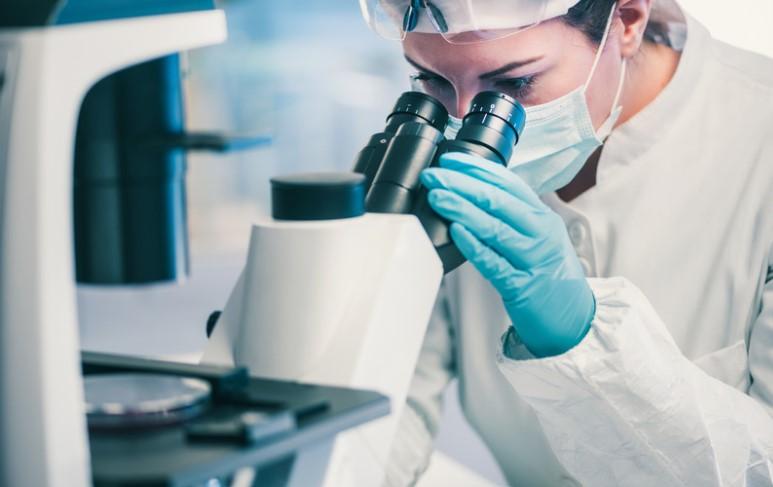
In order to protect yourself and maintain safety standards, you will often find yourself donning protective clothing such as gloves, coats, and safety glasses. Safety first!
Microbiologists typically work as part of a small team on various projects. This collaborative approach allows for different perspectives and expertise to come together in tackling scientific challenges. But don’t worry – even though you’re working with others, you’ll still have the autonomy to manage your own workload.
If routine identification or monitoring sounds too structured for your taste, fear not! Research work within microbiology can offer more variety and excitement. Just imagine being at the forefront of groundbreaking discoveries and pushing the boundaries of scientific knowledge.
Be prepared for some travel too! You may need to attend meetings or visit sites during the day. Additionally, conferences and collaborative research opportunities may take you all across the UK and even abroad.
So if you’re considering a career as a microbiologist, be ready for an adventure-filled journey full of fascinating experiments and breakthrough moments. The world needs dedicated scientists like you who are passionate about understanding microorganisms and their impact on our lives!
Qualifications You’ll Need
To become a microbiologist, a good honours degree in a relevant subject is essential. There are several degrees that can pave the way to this career path, including microbiology, microbial sciences, biomedical sciences, molecular biology, applied biology, biological sciences, and biology specializing in microbiology. These courses provide a solid foundation before narrowing down to specialized areas.
In some cases, employers may prefer candidates with postgraduate qualifications such as a master’s or Ph.D. If you aspire to be a microbiology researcher in a university setting, obtaining a PhD in a relevant area of microbiology is typically required. Integrated postgraduate Master’s qualifications like MBiolSci or MSci can also be advantageous if pursuing further studies at the doctoral level.
For those interested in becoming clinical scientists in microbiology within the NHS, successful completion of the NHS Scientist Training Programme (STP) is necessary. This program leads to eligibility for applying for a Certificate of Attainment from the Academy for Healthcare Science and subsequent registration as a clinical scientist with the Health & Care Professions Council (HCPC). As part of this training pathway for clinical science specialization in Microbiology – Infection Sciences), an MSc in Clinical Science must be completed.
Alternatively, there are other routes available for HCPC registration as a clinical scientist through organizations like The Association of Clinical Scientists and the AHCS equivalence assessment process. Becoming trained as a biomedical scientist is also another potential avenue into the field.
If you do not have an undergraduate degree but still wish to pursue this profession, starting as a laboratory technician can offer valuable experience while working towards acquiring further qualifications needed to become a fully-fledged microbiologist. Additionally, you may consider entering into apprenticeship programs that offer higher or degree-level education specific to microbiology.
Skills You’ll Need to Have

To excel as a microbiologist, you must possess a diverse range of skills. You need the ability to design and plan research investigations and experiments. This skill is essential for conducting thorough and effective studies that yield accurate results.
Interpersonal skills are also crucial because, in certain roles, you may have direct contact with patients. Being able to communicate effectively with patients and colleagues alike is vital for successful collaboration and information exchange within the field.
As a microbiologist, you’ll often find yourself managing laboratory projects and working alongside various technical colleagues. Therefore, having the capacity to lead and collaborate effectively is essential for achieving project goals while maintaining smooth teamwork dynamics.
Working well in a team environment goes hand-in-hand with managing your own workload efficiently. Balancing your responsibilities while contributing positively to group efforts requires excellent time management skills.
Problem-solving abilities are highly valued in this field as they enable you to tackle challenges that arise during research or when analyzing data. An analytical mindset coupled with an organized approach allows for efficient problem-solving processes.
Microbiology work demands precision and attention to detail at every step of the way. Accuracy ensures reliable results, especially when dealing with sensitive samples or performing diagnostic tests.
Strong organizational skills help keep track of multiple tasks simultaneously while ensuring nothing falls through the cracks—a fundamental requirement considering the intricate nature of microbiology work.
Leadership qualities come into play when overseeing projects or guiding other team members toward shared objectives. Inspiring others through effective leadership fosters an environment conducive to productivity and success.
Self-motivation becomes particularly important since much of your work may be conducted independently or with minimal supervision. Staying focused on tasks at hand without constant direction demonstrates the self-discipline necessary for accomplishing goals autonomously.
Possessing good numeracy skills along with proficiency in information technology tools helps analyze complex data sets efficiently—an increasingly valuable skill set given today’s technological advancements within scientific research fields such as microbiology.
Employers
Microbiologists have a diverse range of employment opportunities across various industries. One significant field where microbiologists are in high demand is research and analysis. In this sector, you can find employment with prestigious organizations such as the NHS, the UK Health Security Agency (UKHSA), universities, and research institutes.
Private companies also offer enticing career prospects for microbiologists. These include pharmaceutical, biochemical, biotechnology, and agri-chemical companies. Additionally, food and beverage manufacturers as well as bioscience companies frequently seek the expertise of microbiologists to ensure product safety and quality. Food safety organizations like the Food Standards Agency also provide excellent job prospects.
Microbiologists can even explore opportunities within the manufacturing industry where health, homecare products, and personal care items are produced. The civil service is another area where skilled microbiologists can contribute their knowledge towards public welfare.
Apart from these industries, environmental sectors present exciting avenues for microbiologist employment too. Water companies rely on their expertise to ensure water quality standards are upheld by regulatory bodies like the Environment Agency (EA) and the Scottish Environment Protection Agency (SEPA). Waste management firms and environmental consultants also employ talented microbiologists to address ecological concerns.
With so many options available across diverse fields ranging from healthcare to environment conservation to manufacturing innovation – it’s clear that a career in microbiology offers immense potential for growth and professional fulfilment!
How Much Does a Microbiologist Make in the UK?
How Much Does a Microbiologist Make Per Hour?

Microbiologists in the UK can expect to earn an average hourly wage of £30.95. This figure represents a competitive salary for professionals in this field, reflecting their expertise and contribution to various industries.
The earnings of microbiologists are well-deserved considering the specialized knowledge and skills they possess. Their work involves monitoring and identifying microorganisms, tracking them in different environments, and developing new techniques and products to prevent disease spread. They also play a crucial role in research and development, contributing to advancements in medicine, agriculture, food safety, and environmental conservation.
As microbiologists gain experience and progress in their careers, there is potential for higher earning potential. Additionally, factors such as location, industry sector, level of education or specialization can influence salary levels within this field.
It’s important to note that while £30.95 per hour may be the average wage for microbiologists in the UK, individual salaries can vary based on factors such as qualifications, experience level, employer size or type of organization.
Overall, varies depending on several factors but being a microbiologist offers promising career opportunities with attractive compensation packages!
How Much Does a Microbiologist Make Per Day?
Microbiologists, with their expertise in studying microorganisms, play a crucial role in various fields such as medicine, healthcare, research and development, agriculture, and food safety. But what about their earning potential? Let’s delve into the average daily income for these professionals in the UK.
On average, microbiologists make money around £318 per day. This figure may vary depending on factors such as experience level, qualifications, and the specific industry they work in. It’s important to note that this is just an average; some microbiologists may earn more or less depending on individual circumstances.
In high-demand sectors like medical science and pharmaceuticals, microbiologists tend to earn higher salaries due to the complexity of their work and the impact it has on public health. These professionals often contribute significantly to developing new medicines, vaccines, and diagnostic tests – all vital aspects of modern healthcare.
While £318 per day might seem enticing at first glance, it’s essential to consider other factors such as job satisfaction and career growth opportunities when considering a career as a microbiologist. Remember that monetary compensation is just one aspect of overall job fulfilment.
If you have a passion for scientific inquiry and exploring unseen worlds teeming with microscopic life forms while making valuable contributions to society – then pursuing a career as a microbiologist might be worth your while!
How Much Does a Microbiologist Make Per Week?

Microbiologists are highly skilled professionals who play a crucial role in various sectors, from healthcare to agriculture. And with their expertise comes a respectable paycheck. On average, microbiologists in the UK can expect to earn around £1,380 per week.
But it’s important to note that this figure is just an average and can vary depending on factors such as experience, qualifications, and the industry they work in. Microbiologists working in research institutes or universities may earn slightly less than those employed by private companies or pharmaceutical giants.
However, regardless of the specific field they choose to specialize in, microbiologists are well-compensated for their knowledge and skills. Their work involves monitoring microorganisms, developing new techniques and products, and conducting clinical trials – all of which require extensive education and training.
So if you’re considering a career as a microbiologist in the UK, rest assured that your hard work will be rewarded both intellectually and financially. The field offers plenty of opportunities for growth and advancement while making a significant contribution to society through scientific research and innovation.
How Much Does a Microbiologist Make Per Month?
Microbiologists play a crucial role in various sectors, from healthcare to research and development. But what about their earning potential? Well, on average, a microbiologist in the UK can expect to earn money around £5,340 per month.
Now, it’s important to note that this figure is just an average and can vary depending on factors such as experience, qualifications, and the specific field of microbiology you work in. Those with more advanced degrees or specialized expertise may command higher salaries.
In the medical field, for example, where microbiologists are involved in preventing and controlling infections, the pay tends to be higher compared to other areas of microbiology. This is because medical scientists often work within the National Health Service (NHS) or research institutes where they contribute directly to patient care.
It’s also worth mentioning that opportunities for career advancement exist within this profession. With experience and further specialization, microbiologists can pursue roles with greater responsibility or move into management positions.
So if you have a passion for science and want a rewarding career that makes a difference in society while offering competitive earnings, becoming a microbiologist could be an excellent choice!
How Much Does a Microbiologist Make Per Year?

Microbiology is an exciting and rapidly growing field that offers a range of career opportunities. One important aspect to consider when choosing a career path is the salary potential. So, how much does a microbiologist make per year in the UK?
On average, microbiologists in the UK earn around £75,417 annually. This figure can vary depending on factors such as experience level, qualifications, and location.
It’s important to note that this average salary takes into account professionals working in various sectors within microbiology. For example, medical scientists tend to earn higher salaries compared to those working in research or manufacturing industries.
Additionally, individuals with advanced degrees or specialized knowledge may also command higher salaries within their respective fields. So if you’re considering pursuing a career as a microbiologist, it may be worth investing in further education or gaining expertise in specific areas to increase your earning potential.
While earning potential is an important factor to consider when choosing a career path, it’s essential to also take into account your passion for the subject matter and the fulfilment you’ll find in contributing to scientific discoveries and advancements within the field of microbiology.
Conclusion
As we come to the end of this blog post, it’s important to reflect on the information we’ve discussed regarding how much a microbiologist makes in the UK. We’ve explored different types of microbiologists and their responsibilities across various fields, including medicine, healthcare, research and development, agriculture and food safety, as well as environment and climate change.
We’ve also delved into the qualifications required to pursue a career in microbiology, emphasizing the need for a relevant degree or postgraduate qualification. Additionally, we touched upon the skills necessary to excel in this field – from interpersonal and communication skills to problem-solving abilities and attention to detail.
Throughout this article, we’ve provided insights into working hours, and potential employers in different sectors such as research institutes or manufacturing companies. We even highlighted how much a microbiologist can expect to earn on average per hour (£30.95), day (£318), week (£1,380), month (£5,340), and year (£75,417) in the UK.
In conclusion, pursuing a career as a microbiologist offers diverse opportunities within an ever-evolving scientific landscape. Whether you’re interested in combating infectious diseases or contributing towards advancements in agriculture or environmental sustainability – being part of this essential field is both rewarding and impactful!
