


Post Contents
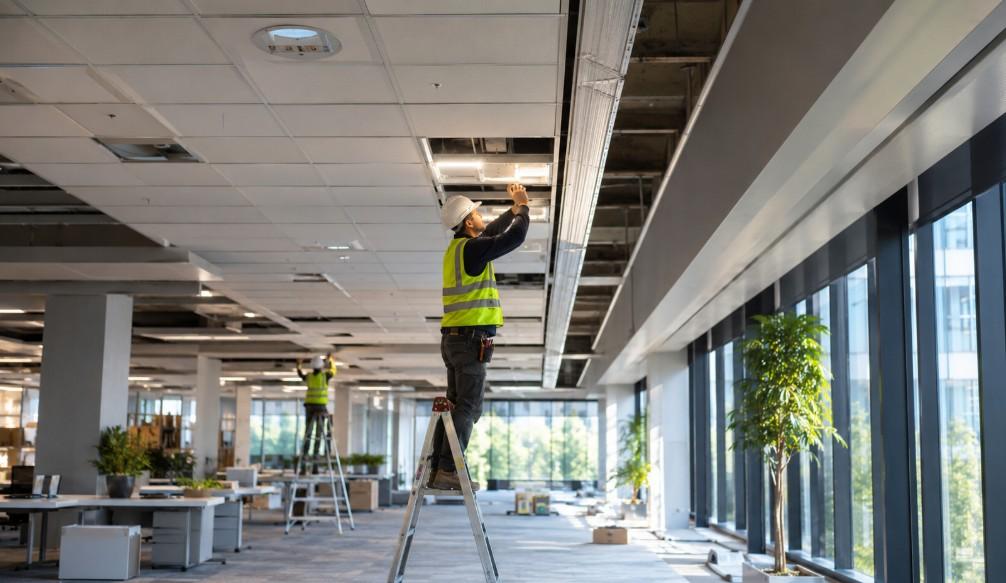
Commercial spaces often require lighting upgrades during renovation or system updates. In many cases, entire fixtures are replaced when only specific components have become outdated or inefficient. This approach increases costs and leads to unnecessary waste.
Refurbished lighting provides a practical and more sustainable alternative by upgrading existing fixtures instead of replacing them completely.
By focusing on internal improvements, you can maintain system performance while avoiding the disruption associated with full replacement. This also allows existing lighting systems to remain functional during upgrades, supporting continuity in commercial operations.
Understanding Refurbished Lighting
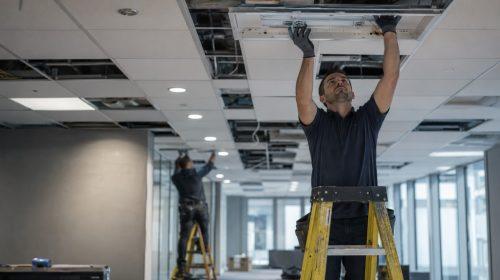
Refurbishing lighting involves upgrading the internal components of existing fixtures rather than replacing the entire unit. Many lighting systems have housings that remain in good condition even when electrical components or lamps become outdated.
Instead of removing these fixtures, refurbishment upgrades the internal elements to meet modern standards. This allows you to reuse existing structures while improving system performance.
In many cases, this approach helps maintain consistency across lighting installations without requiring major changes. This ensures that lighting systems remain suitable for current requirements without requiring full replacement.
Reducing Unnecessary Replacement
In many renovation projects, lighting systems are replaced as part of broader upgrades. However, this often results in the removal of fixtures that are still structurally sound.
Refurbishment addresses this by focusing only on the components that require improvement. By upgrading internal parts, you can avoid discarding functional fixtures while improving system performance.
This reduces unnecessary replacement and allows existing systems to continue operating effectively across different commercial environments.
Managing Costs Through Targeted Upgrades
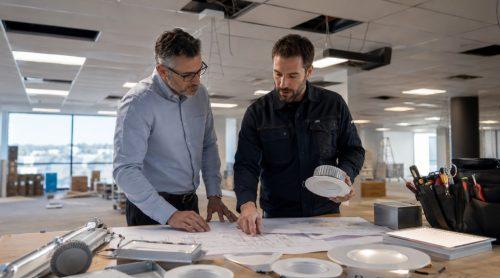
Using refurbished lighting reduces costs by limiting the need for new fixtures. Upgrading existing systems avoids expenses related to purchasing, transporting, and installing new lighting equipment.
Energy consumption can also be reduced significantly, especially when outdated components are replaced with more efficient alternatives.
Lower energy use contributes to reduced operational costs over time. You also benefit from lower maintenance costs, as upgraded systems require fewer replacements and can be managed more efficiently.
Supporting Environmental Responsibility
Reusing existing fixtures instead of discarding them helps to reduce waste and is therefore more sustainable. The number of materials sent to landfills are reduced. By extending the use of current systems, you can lower the environmental impact associated with production and disposal.
This becomes particularly important in large commercial environments where lighting systems are used extensively. Ongoing improvements in energy efficiency also support better environmental performance over time.
Extending the Life of Existing Systems
Many lighting fixtures, particularly those installed in older commercial buildings, are made from durable materials. These fixtures are often capable of remaining in use for extended periods if properly maintained.
Refurbishment restores these systems by upgrading internal components and improving overall performance.
This allows fixtures to continue operating effectively without replacement. By extending the lifespan of existing systems, you can maintain lighting performance while reducing the need for new installations.
Minimising Disruption During Upgrades
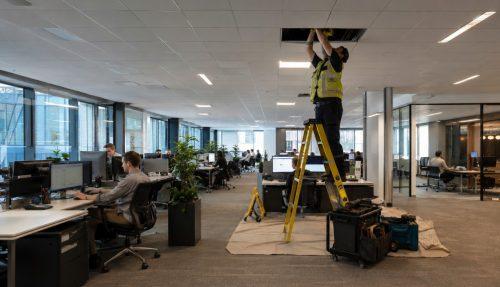
Replacing lighting systems can be disruptive, particularly in commercial environments where operations must continue without interruption. Full replacement often involves significant changes to infrastructure and longer installation times.
Refurbished lighting reduces this disruption by using existing fixtures and upgrading them in place. This allows improvements to be carried out more efficiently.
In many cases, upgrades can be completed in stages, making it easier for you to maintain normal operations throughout the process.
Strengthening Business Perception
Businesses are increasingly expected to adopt responsible practices in their operations. Refurbished lighting supports this by reducing waste and improving energy efficiency.
Using existing systems instead of replacing them demonstrates a practical approach to managing resources. This can contribute to a more positive perception among customers and stakeholders. It also reflects a commitment to maintaining effective and responsible operational practices.
Adapting to Future Lighting Requirements
This upgraded lighting is becoming more relevant as businesses seek practical ways to improve efficiency without replacing entire systems. The ability to upgrade internal components allows lighting systems to adapt to new requirements.
As renovation projects continue to focus on efficiency and cost control, refurbishment provides a flexible solution that supports ongoing system improvement. This approach allows you to maintain lighting performance while managing resources more effectively over time.
A Sustainable Alternative
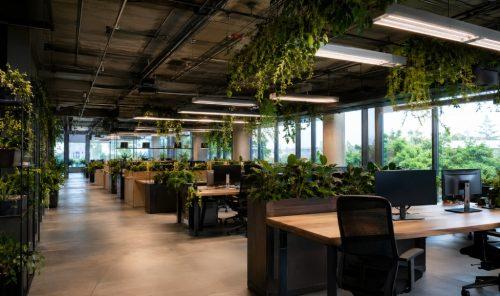
Lighting upgrades are often necessary in commercial environments, but full replacement is not always required. Refurbished lighting offers a sustainable alternative by allowing you to upgrade internal components while retaining existing fixtures.
By reducing costs, minimising waste, and supporting efficient system use, this approach provides a practical solution for managing lighting systems in modern commercial spaces.
